
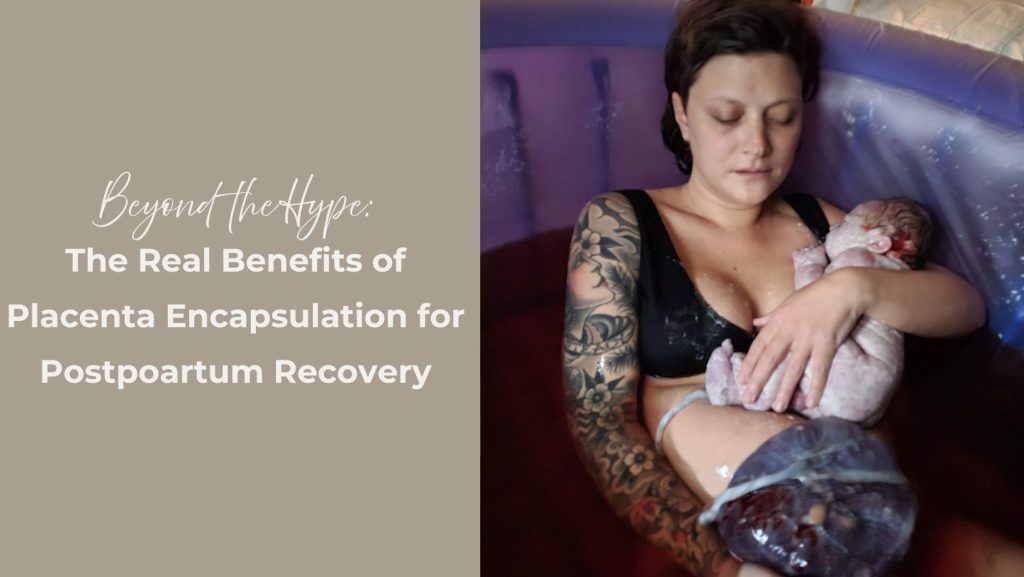
Beyond the Hype: The Real Benefits and Science of Placenta Encapsulation
The “fourth trimester” is perhaps the most overlooked, yet vital, period of the human experience. While modern healthcare spends nine months obsessively preparing for the birth event itself, we spend relatively little time discussing the massive, immediate hormonal shift that occurs the moment the placenta is delivered. The “postpartum crash”—characterized by profound fatigue, mood swings, and a feeling of being depleted—is a biological reality for almost every mother.
In recent years, placenta encapsulation has evolved from an “alternative” practice to a staple for families in Cincinnati and Dayton looking to bridge that hormonal gap. But what is it, why does it work, and how do we guarantee it is done with clinical integrity? This guide is designed to answer your questions and help you decide if this ritual is the right addition to your recovery toolkit.
The Physiology of the “Golden Organ”
The placenta is a miraculous, temporary organ. It acts as the life-support system for your baby, acting as a reservoir for nutrients, iron, and a complex matrix of hormones. During pregnancy, your body sustains these hormones at high levels. When the placenta is delivered, those levels plummet within hours. This rapid shift is a primary physiological trigger for the “baby blues” and postpartum mood disturbances.
Proponents of encapsulation believe that by gently reintroducing these nutrients in capsule form, you are providing your body with a consistent “biological bridge” during the most critical weeks of recovery. While individual experiences vary, our clients in the Cincinnati and Dayton area consistently report:
- Improved Energy Levels: Helping to mitigate the “mid-afternoon slump” of early motherhood.
- Mood Stabilization: Providing a gentle, natural cushion as your hormones recalibrate.
- Faster Recovery: Supporting the body’s innate healing processes, particularly regarding iron replenishment, which is crucial after the blood loss associated with birth.
The Science and the Ritual
Placenta encapsulation is the practice of processing the placenta—typically using the Traditional Chinese Method (TCM), which involves light steaming with herbs like ginger and cayenne, or raw preparation—dehydrating it, grinding it into a fine powder, and placing it into capsules.
It is essentially treating the placenta as a nutrient-dense, personalized supplement. Because it was grown by your body specifically for your pregnancy, it contains the exact balance of hormones and nutrients your body was optimized for during gestation.
Professionalism and Safety: The Non-Negotiables
We cannot stress this enough: placenta encapsulation is not a DIY project. Because you are working with biological tissue, the process must adhere to stringent sanitation standards. You are not just paying for a service; you are paying for the guarantee of safety.
When you choose a professional provider, ensure they follow these rigorous safety protocols:
- OSHA-Standard Bloodborne Pathogen Training: Any professional handling biological tissue must be trained in universal precautions to prevent cross-contamination.
- Clinical-Grade Sanitation: We utilize hospital-grade disinfection protocols for every piece of equipment. All reusable tools are thoroughly cleaned, soaked in an appropriate bleach solution, and sanitized before and after every use.
- Individualized Processing: We never work on more than one placenta at a time. We guarantee that the capsules you receive are 100% your own placenta.
- Proper Storage: From the moment of birth, the placenta must be refrigerated or placed on ice immediately. Your specialist will provide clear instructions on how to handle it until they can pick it up for processing.
Contraindications: When Encapsulation Isn’t Right
It is essential to be informed about when encapsulation is not recommended. For instance, if the placenta was sent to pathology, if there was an active infection at the time of birth, or if you were a smoker during pregnancy, encapsulation may not be advised. A trained professional will always walk you through a safety checklist before accepting your placenta for processing.
Supporting Your Fourth Trimester
Placenta encapsulation is not a “magic pill” that replaces the need for rest, hydration, and a community support system. Rather, it is a tool—a sophisticated recovery aid that honors the physical work your body has achieved.
Many of our clients who were initially skeptical find that by their second pregnancy, they view encapsulation as an essential part of their postpartum plan. It is a quiet, daily ritual of self-care. It is a powerful way of saying: My recovery matters, and I am choosing to support my body with intention.
Ready to integrate encapsulation into your postpartum plan?
We have limited capacity for our processing services to ensure we maintain our high-touch safety standards for every family we serve – reach out today.