
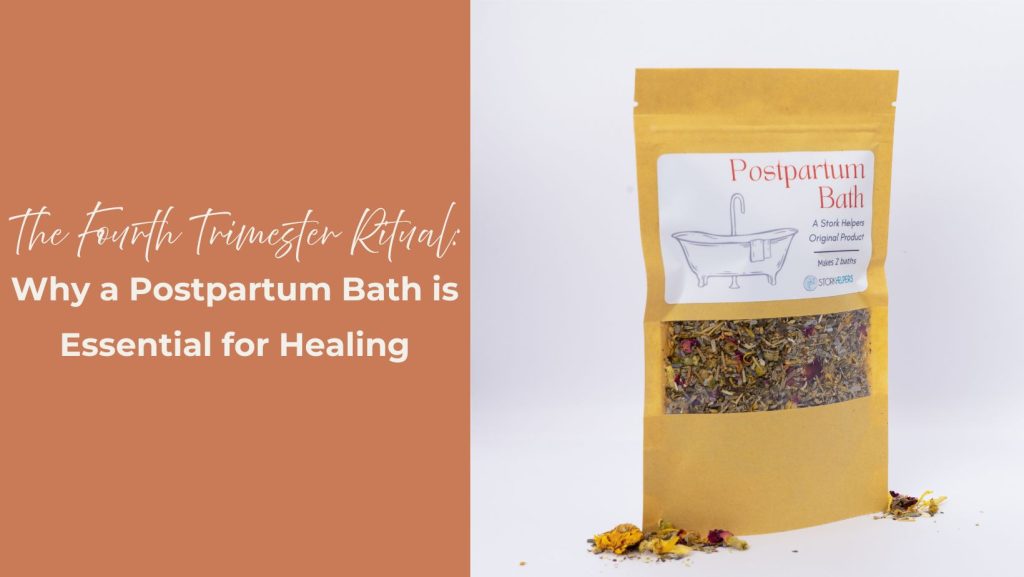
In many indigenous cultures around the world, the period immediately following birth is treated with profound reverence. Often referred to as “the golden month” or “40 days of confinement,” this time is specifically designed to allow the mother to rest, heal, and bond with her baby, while her community takes over all other responsibilities. In our modern, high-speed culture, we have lost this ritual. We are often expected to be “bouncing back” within days of a major physical event. This pressure to return to normal activities too quickly doesn’t just lead to exhaustion—it compromises the body’s natural ability to repair itself.
The postpartum bath is more than just a luxury; it is a vital, science-backed ritual for both physical healing and nervous system regulation.
The Physiology of Postpartum Inflammation
Birth, regardless of whether it is vaginal or cesarean, is a major medical event that leaves the body in a state of high inflammation. If you have had a vaginal birth, there is the obvious need for perineal care to manage tearing, swelling, and soreness. If you have had a cesarean, you are dealing with a major abdominal incision that requires specialized care to prevent infection and encourage tissue remodeling.
When you immerse your body in a warm, mineral-rich bath, you are utilizing hydrotherapy. Warm water increases local circulation, which brings oxygen-rich blood to the affected tissues. This accelerated blood flow is crucial for flushing out inflammatory markers and speeding up the repair of damaged cells. Furthermore, the buoyancy of the water takes the pressure off your pelvic floor and abdomen, allowing muscles that have been stretched for nine months to finally relax.
The Nervous System: Moving Out of ‘Fight or Flight’
One of the most overlooked aspects of the postpartum period is the state of the mother’s nervous system. During labor, your body is flooded with adrenaline and cortisol—the “fight or flight” hormones. In the days following birth, your body needs to down-regulate these hormones and shift into a parasympathetic state, often called “rest and digest.”
However, the reality of caring for a newborn—lack of sleep, the anxiety of new motherhood, and the constant demands of breastfeeding—often keeps the body trapped in a high-cortisol state. A warm bath acts as a powerful sensory signal to your brain. The transition from the chaotic demands of the outside world to the quiet, contained environment of the bath tells your nervous system that it is safe to down-regulate. This drop in cortisol is essential not just for your own mental health, but for hormonal balance, which can positively impact your milk supply and your ability to bond with your baby.
Ingredients that Matter
You want your bath to do more than just get you clean. By using a blend of healing botanicals and minerals, you can transform a simple soak into a therapeutic session.
- Epsom Salts: Magnesium sulfate is the gold standard for muscle relaxation and reducing systemic inflammation.
- Calendula: Known for its gentle, skin-soothing properties, it is excellent for repairing compromised tissue.
- Lavender: Beyond its calming scent, lavender has been shown to have mild analgesic (pain-relieving) properties, which can help take the edge off postpartum discomfort.
Reclaiming the Ritual
If you are currently in the thick of the “fourth trimester,” you likely feel like you don’t have ten minutes to yourself, let alone time for a bath. But this is exactly when you need it most. Even a 15-minute soak, once the baby is settled or while a partner or family member holds the baby, can be the turning point in your day. This is your time to disconnect from the “doer” role of a new mother and reconnect with your physical body. It is a moment of self-preservation that is necessary for you to continue being the primary caregiver for your child.
You did not come into this world to just survive the postpartum period. You deserve a recovery process that is grounded in kindness, healing, and respect for the monumental work your body has just completed.