
While preparing for labor, most expectant parents focus heavily on the main event: nursery setup, hospital bags, and birth plans. But equal attention should be paid to what comes after delivery—the fourth trimester.
The immediate postpartum period brings immense joy, but it also triggers the most rapid hormonal shift a human body can experience. Within 24 to 48 hours after giving birth, estrogen and progesterone levels plummet, while your body works overtime to heal, produce milk, and adjust to minimal sleep.
To smooth out this dramatic transition, an increasing number of parents across Cincinnati, Dayton, and Southwest Ohio are turning to placenta encapsulation.
If you’ve been curious about how placenta processing works, whether it’s safe, and what to expect from hospital pickup to home delivery, here is your complete guide.
What Is Placenta Encapsulation?
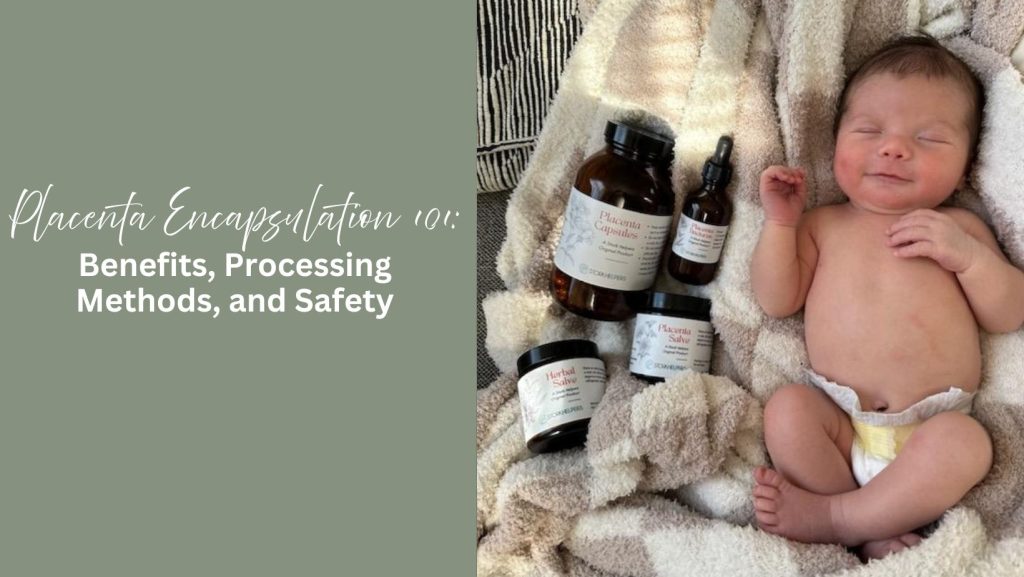
Placenta encapsulation is the practice of preparing a mother’s placenta after birth—by cleaning, steaming (optional), dehydrating, and grinding it into a fine powder—and placing it into easily digestible capsules.
Throughout pregnancy, the placenta acts as a vital organ, delivering oxygen, nutrients, and essential hormones to your growing baby. It also acts as a reservoir for key vitamins and natural compounds produced by your body, including:
- Prolactin: The hormone responsible for stimulating breast milk production.
- Oxytocin: The “bonding hormone” that eases stress, promotes bonding, and helps the uterus contract back to its pre-pregnancy size.
- Iron & Vitamin B6: Essential nutrients lost through postpartum blood loss that support physical energy.
- Corticotropin-Releasing Hormone (CRH): A stress-reducing hormone that drops significantly after delivery.
Consuming these capsules during the weeks following birth is intended to gently reintroduce these biological compounds back into your system as your body recovers.
What Are the Reported Benefits?
While individual experiences vary, parents who choose placenta encapsulation frequently report noticeable improvements in their physical and emotional postpartum recovery:
Hormonal Balance & Mood Support
The sudden drop in pregnancy hormones is a primary trigger for the “baby blues”—a period of mood swings, tearfulness, and anxiety that affects up to 80% of new mothers. By consuming small amounts of biological hormones daily, many parents report a more level mood and easier emotional transition during the first month.
Increased Energy & Replenished Iron
Labor and delivery involve substantial blood loss, leaving many new parents depleted or mildly anemic. Placenta capsules provide a bioavailable source of iron and trace minerals, helping rebuild red blood cells and combat early postpartum fatigue.
Milk Supply Support
Because prolactin and oxytocin are naturally present in placental tissue, many chestfeeding parents find that encapsulation helps establish a steady milk supply during the critical first few weeks.
Faster Uterine Healing
Oxytocin naturally triggers gentle uterine contractions (involution), helping your body return to its baseline state faster while reducing heavy postpartum bleeding (lochia).
Traditional Steamed (TCM) vs. Raw Method: What’s the Difference?
At Stork Helpers, we offer two main processing options. Neither method is “better” than the other; it simply comes down to your personal preferences and postpartum health goals.
| Feature | Traditional Steamed Method (TCM-Inspired) | Raw Dehydration Method |
| Preparation Process | Steamed gently with warming ingredients (ginger and lemon) before dehydration. | Skipped steaming step; sliced fresh and dehydrated immediately at precise temperature. |
| Energy Profile | Described as providing a gentle, slow, and soothing release of energy. | Described as providing a rapid, high-burst energy boost. |
| Best Used For | Parents seeking gradual mood regulation, warmth, and gentle hormonal balancing. | Parents focused on maximum nutrient, enzyme, and iron preservation. |
| Capsule Yield | Yields slightly fewer capsules due to shrinkage from steaming. | Yields a higher quantity of capsules. |
Note: If you have a history of anxiety or panic disorders, the Traditional Steamed method is often recommended, as the Raw method can occasionally feel overly stimulating for sensitive systems.
Safety & Sanitation: What You Need to Know
Your safety is our non-negotiable priority. Placenta encapsulation must be performed with strict clinical cleanliness to prevent bacterial contamination.
At Stork Helpers, we adhere to rigid safety guidelines that meet or exceed industry standards:
- OSHA & Bloodborne Pathogens Certification: Every technician handling your placenta is fully certified in food safety, bloodborne pathogen protocols, and proper sanitation.
- Single-Client Processing: We never process more than one placenta at a time. Your placenta is handled in a isolated, sanitized environment with complete tracking from pickup to delivery.
- Medical-Grade Equipment: All equipment used is either single-use disposable or hospital-grade stainless steel that undergoes multi-step chemical sterilization between clients.
- Precise Temperature Control: Dehydration occurs at temperatures high enough to eliminate harmful foodborne pathogens while retaining essential nutrient integrity.
When Can a Placenta Not Be Encapsulated?
Safety also means knowing when not to encapsulate. We cannot process a placenta if:
- An active, confirmed uterine or maternal infection (such as chorioamnionitis) was present during labor.
- The placenta was sent to pathology for medical testing (pathology labs use chemical preservatives that make encapsulation unsafe).
- The placenta was not properly chilled within 3 to 4 hours after delivery.
Seamless Logistics: From Hospital Room to Your Front Door
You shouldn’t have to worry about coolers, ice, or driving across town while caring for a newborn. We manage the entire pickup and delivery process for you across Southwest Ohio.
Whether you deliver at Bethesda North, Good Samaritan, UC Health, Miami Valley Hospital, Kettering Health, Atrium Medical Center, or at home:
- Hospital Prep: You simply bring a small cooler to your birthing location. Once delivered, inform your nurse that you are keeping your placenta. They will place it in a sterile container for your cooler.
- Prompt Pickup: You or your partner send us a quick message in the app or via text, and a member of our team coordinates direct pickup from your hospital room or home within hours of delivery.
- Safe Transport & Processing: We transport the organ in a temperature-monitored cooler directly to our facility for immediate processing.
- Doorstep Delivery: Within 48 to 72 hours, your finished custom capsules—along with clear dosage instructions—are delivered directly back to your home.
Popular Add-Ons: Tinctures, Salves, and Keepsakes
In addition to standard capsules, many families choose custom placenta keepsakes:
- Placenta Tinctures: A small portion of processed placenta is steeped in high-proof alcohol to create a long-lasting liquid extract. While capsules are used in the first month postpartum, a tincture lasts for years and can be saved for future hormonal shifts, PMS, or weaning.
- Soothing Postpartum Salves: Infused with placenta powder, organic oils, and soothing herbs, this topical salve supports skin healing from C-section scars, stretch marks, and minor irritation.
- Umbilical Cord Keepsakes & Prints: Dehydrated umbilical cords shaped into heart designs, alongside artistic canvas prints made using the natural shape of the placenta (“The Tree of Life”), provide a beautiful physical memory of your birth journey.
Frequently Asked Questions
Can I use my HSA/FSA account to pay for encapsulation?
Yes! In many cases, HSA (Health Savings Account) and FSA (Flexible Spending Account) cards can be used to cover placenta encapsulation as a legitimate postpartum health expense.
What if I am scheduled for a C-section or epidural?
You can still encapsulate! Anesthetics, epidurals, and routine medications used during a C-section do not prevent you from safely encapsulating your placenta.
Is it legal to take my placenta home from Ohio hospitals?
Yes. Ohio law recognizes the placenta as your personal property. Local hospital staff across Cincinnati and Dayton are accustomed to release requests—you simply sign a standard hospital release form after delivery.
Support Your Postpartum Healing Journey
Your birth plan shouldn’t stop at delivery. Investing in your postpartum recovery helps ensure you have the energy, balance, and physical support needed to thrive during your first weeks with your new baby.